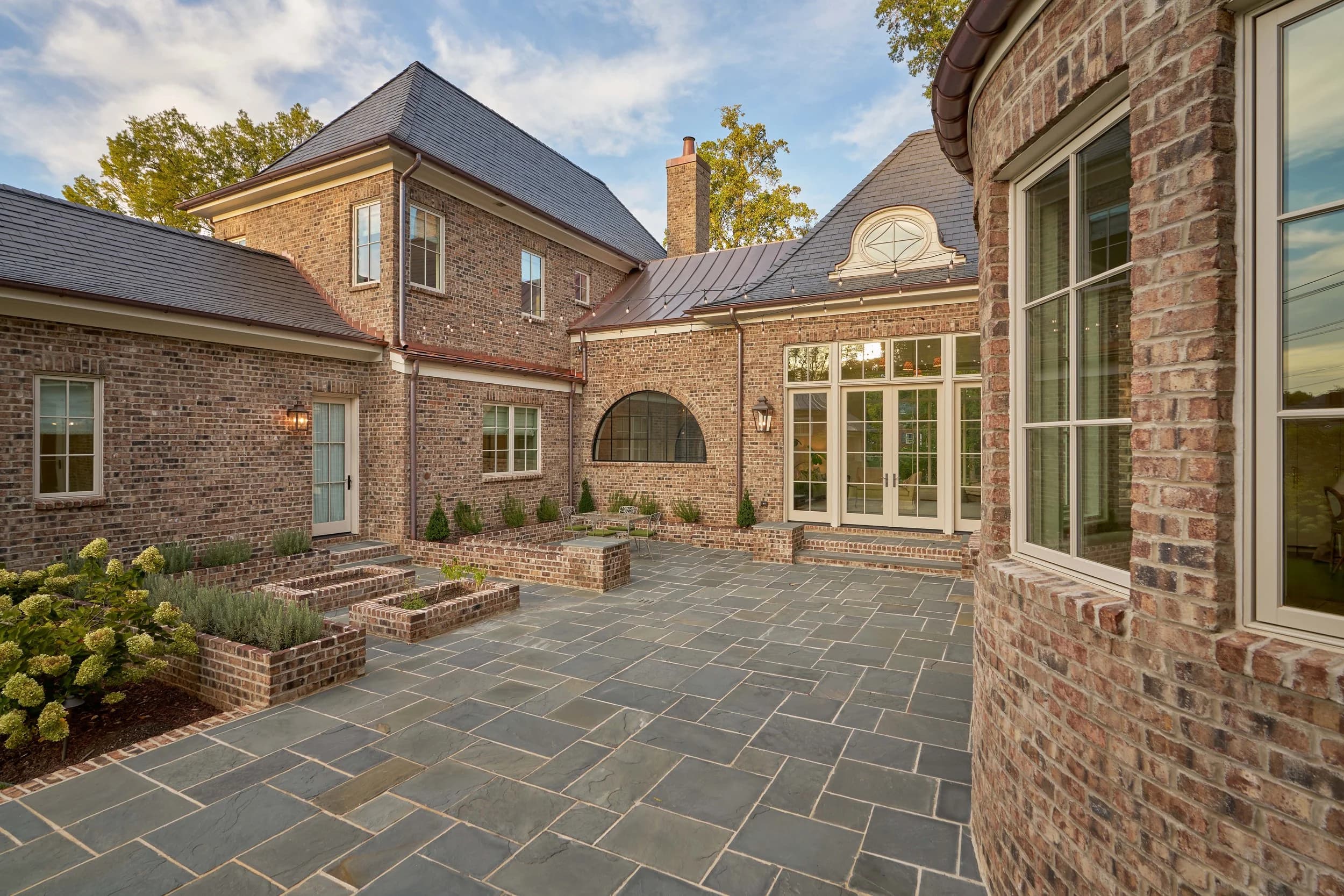
Building a custom home is one of the biggest projects you’ll ever take on. Here’s everything we think you should know before you start — and during the process.
Step 1: Know What You Want (and What You Don’t)
Before you talk to a builder, spend time thinking about how you actually live. Not what looks good on Pinterest — how you use your kitchen at 7am, where you drop your keys, how much natural light matters to you.
Make two lists: non-negotiables and nice-to-haves. The first list drives the design. The second list is where you flex when budget decisions come up.
Step 2: Establish a Realistic Budget
Read our cost guide for Charlotte-specific numbers. The short version: plan for $250–$500+ per square foot depending on your finish level, plus land. Set aside 10–15% contingency for the unexpected.
Step 3: Find Your Lot
If you don’t already own land, this is often the hardest step. Our neighborhood guide covers the best areas. A few things to evaluate on any lot:
- Topography and drainage (critical for foundation costs)
- Tree survey and ordinance restrictions
- Utility access and tap fees
- Setback requirements and lot coverage limits
- HOA or architectural review board requirements
We help clients evaluate lots before purchase. An hour of our time looking at a lot can save you from a six-figure mistake.
Step 4: Choose Your Builder
This is the most consequential decision in the process. A few things to look for:
- Go see their work in person.Photos are a starting point. Walk through a completed home and pay attention to the details — trim joints, cabinet alignment, tile work in the corners where shortcuts happen.
- Ask about their process. How do they handle selections? Change orders? Communication during the build? Our process is designed around transparency at every stage.
- Talk to past clients.Not just the references they give you — find people through your own network who have worked with them.
- Understand their background. What did they do before building? An engineering background means something different than a sales background.
Step 5: Design
Work with your architect to develop plans that capture your vision. This takes 2–4 months and involves multiple revision cycles. Don’t rush it. Every decision made well on paper is a decision that doesn’t delay construction.
Step 6: Build
Read our timeline guide for a detailed breakdown. The construction phase runs 12–18 months. During this time:
- Visit the site regularly (we encourage it)
- Make selections on schedule (this is the #1 variable you control)
- Communicate openly — if something doesn’t look right, say so early
- Trust the process, but stay engaged
Step 7: Move In
The walkthrough, punch list, and final details. Then you get the keys. The home you designed, watched rise from the ground, and made hundreds of decisions about — it’s yours.
That feeling never gets old. For us or for our clients.